
When homeowners embark on a renovation project, they often face a difficult choice between preserving the architectural integrity of their property and modernizing its internal systems. Many older homes, particularly those in prestigious neighborhoods, were built long before central air conditioning was a standard feature. Retrofitting these structures with bulky ductwork can be invasive, often requiring the lowering of ceilings or the destruction of original plasterwork. For those looking to maintain their home’s aesthetic while achieving superior climate control, exploring options like ductless cooling in Beverly Hills, CA offers a sophisticated way to stay comfortable without a total structural overhaul.
Understanding the Ductless Advantage
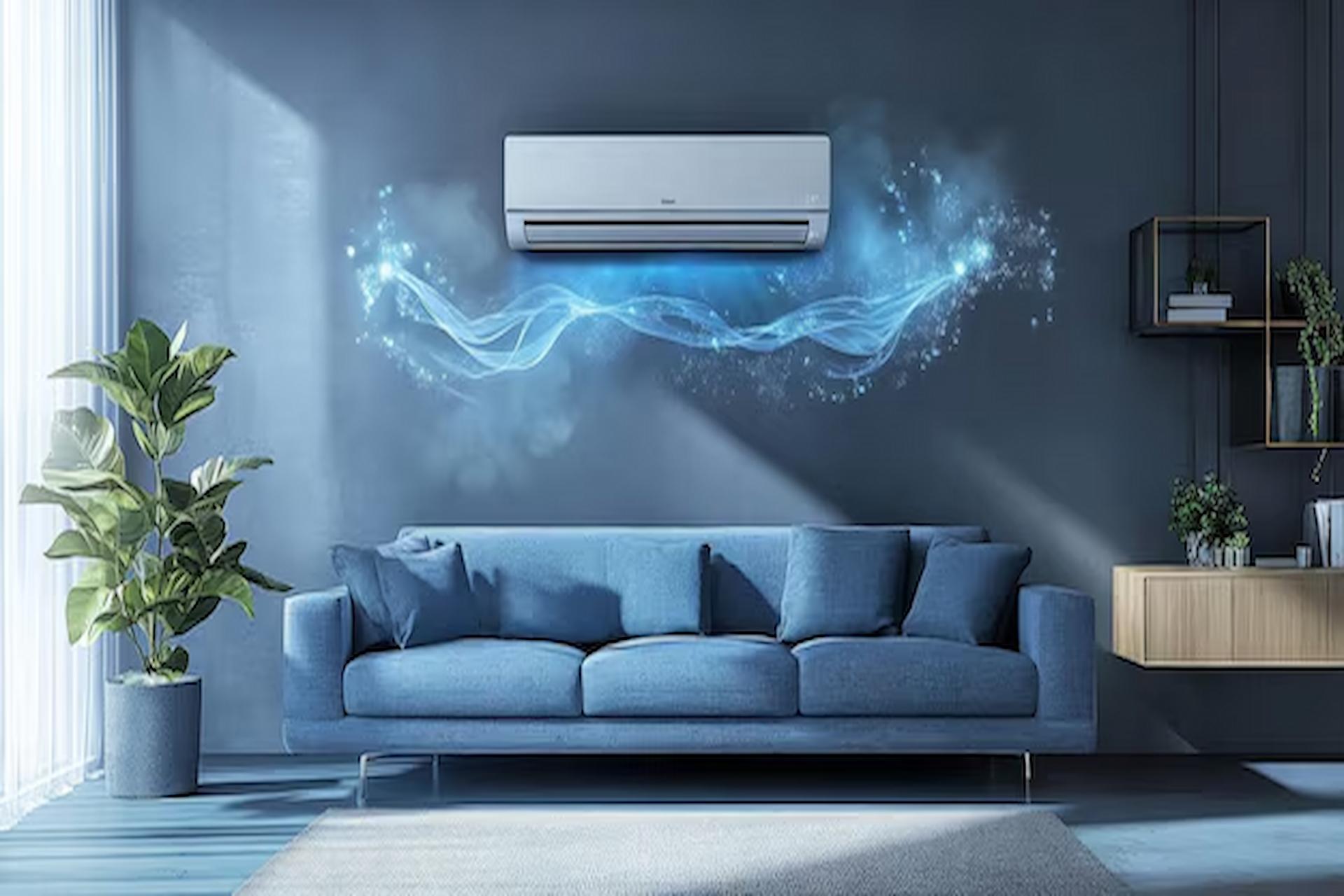
Ductless systems, commonly referred to as mini-splits, consist of two primary components: an outdoor compressor and one or more indoor air-handling units. Unlike traditional HVAC systems that rely on a network of ducts to distribute air, these units connect via a small conduit through the wall. This design allows for incredible flexibility in placement.
For luxury homes with unique layouts or historical significance, the lack of ductwork means that the home’s original crown molding and high ceilings remain untouched. This technology isn’t just about saving space; it’s about providing high-performance cooling that adapts to the specific needs of each room, rather than a one-size-fits-all approach.
Precise Temperature Control with Zoning
One of the most significant benefits of modern cooling technology is the ability to create “zones” within the home. In a traditional system, the thermostat is usually located in a central hallway, meaning the upstairs bedrooms might remain stifling while the living room is freezing.
By utilizing ductless cooling in Beverly Hills, CA, residents can control the temperature of each room independently. This is particularly useful for homes with guest wings, home offices, or media rooms that aren’t used throughout the entire day. Zoning ensures that you aren’t wasting energy—or money—cooling empty spaces, allowing for a much more personalized and efficient living environment.
Energy Efficiency and Cost Savings
Energy efficiency is no longer just a trend; it is a necessity for the modern homeowner. Traditional ducted systems can lose up to 30% of their cooling energy through leaks, cracks, or poor insulation in the ductwork itself. Because ductless systems deliver air directly into the room, this energy loss is virtually eliminated.
SEER Ratings and Performance
When researching cooling options, you will likely encounter the SEER (Seasonal Energy Efficiency Ratio) rating. Many modern ductless units boast significantly higher SEER ratings than their central air counterparts. This translates to lower monthly utility bills and a smaller carbon footprint. Over the lifespan of the unit, the savings on energy costs can often offset the initial investment of the upgrade.
Improving Indoor Air Quality
Indoor air quality is a major concern for families, especially in urban or coastal environments where dust and allergens can accumulate. Traditional ducts are notorious for harboring dust, pollen, and even mold, which are then circulated throughout the house every time the fan turns on.
Ductless systems offer multi-stage filtration that can significantly reduce the presence of airborne particulates. Because there are no ducts to collect debris, the air being pushed into your living space is cleaner. Many units feature washable filters and advanced ionizers that trap microscopic allergens, making the home a safer environment for those with sensitivities or asthma.
Whisper-Quiet Operation
For many, the “white noise” of a traditional AC unit is a nuisance. Older central air systems often involve loud compressors and the sound of air rushing through metal vents, which can be distracting in a quiet bedroom or a home theater.
Modern mini-split units are engineered for silence. The loudest part of the system—the compressor—sits outside, while the indoor units operate at decibel levels lower than a whisper. This makes them the ideal choice for primary suites or nurseries where a peaceful environment is paramount.
Easy Installation and Scalability
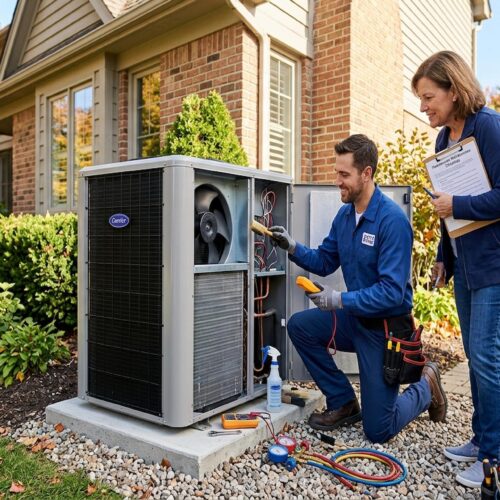
Perhaps the most appealing aspect of ductless technology is how quickly it can be implemented. A professional team can typically install a multi-zone system in a fraction of the time it takes to install central air. This minimizes the “construction fatigue” that often accompanies home improvement projects.
Furthermore, these systems are highly scalable. If you decide to convert a garage into a studio or add a sunroom in the future, you can simply add another indoor unit to the existing outdoor compressor. This modular approach allows your home’s climate control system to grow and change alongside your lifestyle.
Conclusion
Upgrading a home’s cooling system doesn’t have to mean sacrificing its character or enduring weeks of messy construction. By choosing modern, flexible solutions, homeowners can enjoy the best of both worlds: historic charm and contemporary comfort. Whether you are looking to solve the problem of a hot upstairs bedroom or seeking a full-home efficiency upgrade, the move toward ductless technology represents the future of residential climate control.