
Extreme weather events are becoming more frequent across coastal and inland regions alike. From tropical storms and hurricanes to heavy rain and high winds, homeowners face growing risks that can damage property, interrupt power, and create costly repairs. Smart home protection strategies can help reduce these risks while improving comfort, energy efficiency, and peace of mind. By combining advanced technology with practical upgrades, homeowners can strengthen their homes before severe weather arrives.
One of the most effective ways to improve storm readiness is by securing vulnerable entry points. Windows and doors are often the first areas impacted by strong winds and flying debris. Installing impact-resistant systems, such as hurricane doors St Petersburg FL, can provide an added layer of defense during severe storms. These specialized doors are built to withstand intense pressure changes while helping protect the structural integrity of the home. Homeowners in hurricane-prone areas often prioritize reinforced entry systems because they can also improve security, insulation, and long-term property value.
Why Smart Weather Protection Matters
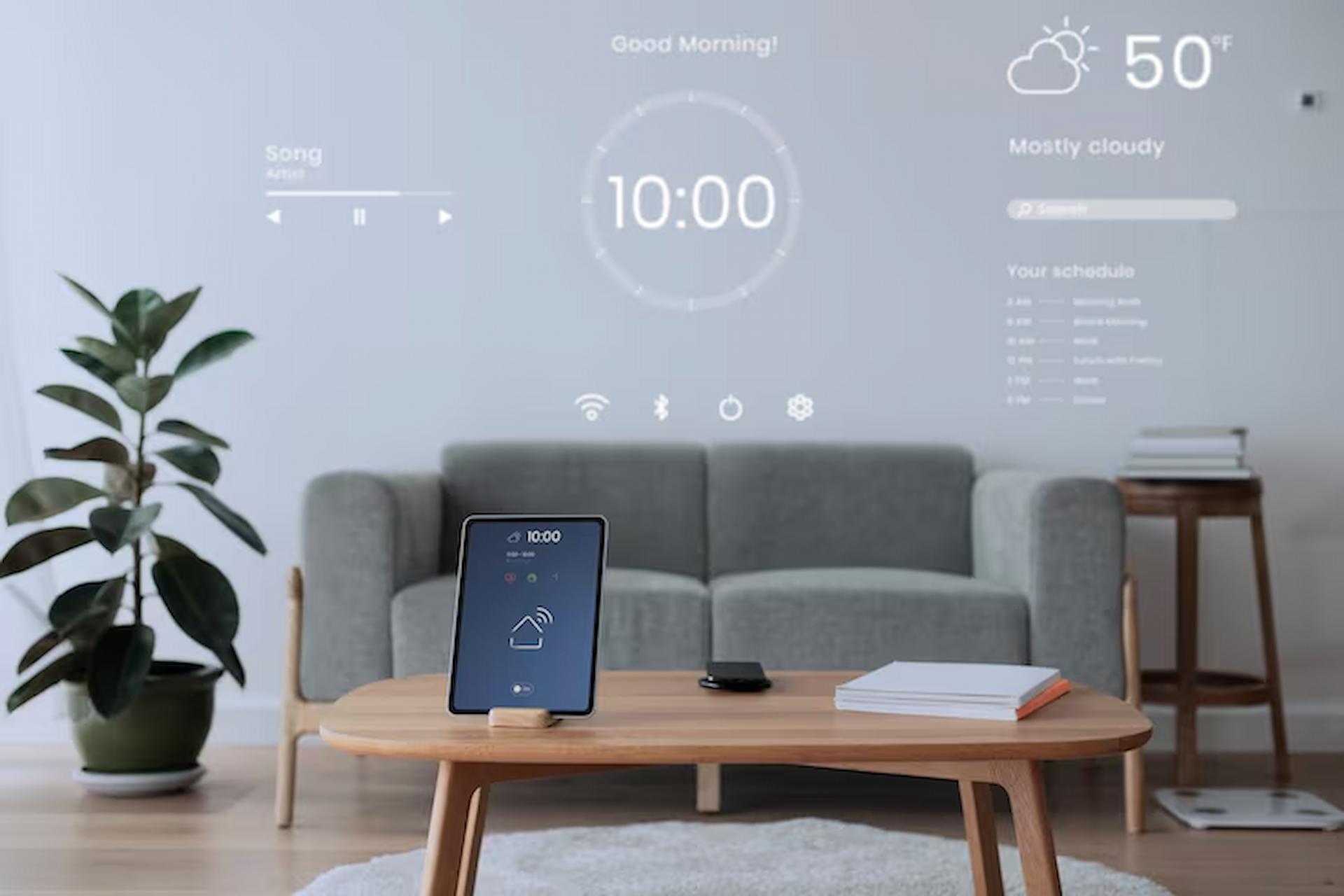
Smart home technology is no longer limited to convenience features like voice assistants and automated lighting. Many systems now play an important role in weather preparedness and emergency response. Connected devices can alert homeowners to flooding, temperature shifts, smoke, and security issues even when they are away from home. These features help reduce damage and allow for faster action during emergencies.
Extreme weather can create a chain reaction of problems. A power outage may disable security systems, heavy rain may lead to flooding, and high winds can break windows or doors. Preventive upgrades help homeowners avoid expensive restoration projects later. Modern weather-resistant materials and smart monitoring tools work together to create a safer and more resilient living environment.
Strengthening Doors, Windows, and Entry Points
Protecting the outer shell of a home should be a top priority during storm preparation. Entry points are common weak spots because wind pressure can force water and debris inside. Reinforced doors, storm shutters, and impact-resistant glass significantly improve protection.
Another important advantage of upgrading exterior systems is improved energy efficiency. Storm-rated doors and windows often feature tighter seals that help reduce air leaks and indoor temperature fluctuations. This means homeowners can enjoy lower utility costs while preparing for future storms.
In coastal areas where hurricanes and tropical storms are common, homeowners frequently invest in hurricane doors St Petersburg FL, to improve storm resistance and overall durability. These doors are tested to handle harsh weather conditions while helping reduce the likelihood of water intrusion and structural damage during major storms.
Smart Sensors for Early Detection
Smart sensors can help homeowners identify problems before they become serious emergencies. Water leak detectors, sump pump monitors, and smart smoke alarms send instant notifications to mobile devices when unusual activity occurs. Early warnings can make a major difference during severe weather situations.
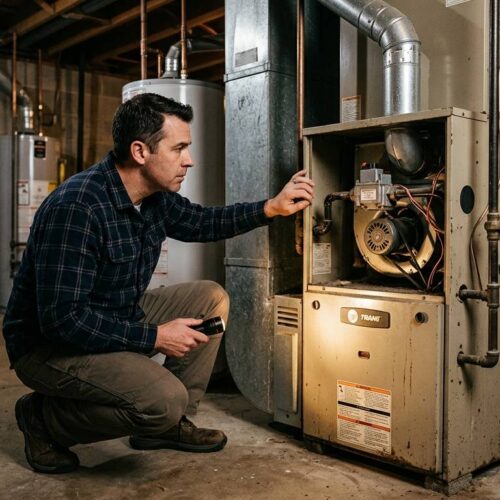
For example, flood sensors placed near water heaters, washing machines, or basement areas can detect rising water immediately. Smart temperature sensors can also help monitor HVAC performance during storms and power outages. These systems provide valuable information that allows homeowners to respond quickly and reduce property damage.
Backup Power and Energy Protection
Power outages are one of the most common issues during hurricanes and tropical storms. A backup energy plan can help maintain essential systems such as refrigeration, lighting, internet service, and medical equipment.
Homeowners have several backup power options available, including portable generators, whole-house standby generators, and battery storage systems connected to solar panels. Smart energy management systems can also prioritize electricity usage during outages to extend available power.
Key Features That Improve Storm Readiness
Homeowners looking to improve weather protection should consider these important upgrades:
- Install impact-resistant doors and windows
- Use smart leak detectors and flood sensors
- Upgrade roofing materials for higher wind resistance
- Secure outdoor furniture and landscaping elements
- Add surge protectors for major appliances and electronics
- Maintain gutters and drainage systems regularly
- Invest in backup generators or solar battery storage
- Use smart thermostats to manage indoor climate during outages
- Reinforce garage doors to prevent structural failure
These upgrades not only improve storm safety but can also increase property value and lower insurance risks in some regions.
Smart Security Systems During Severe Weather
Storms often create security concerns because power outages and evacuations can leave homes vulnerable. Smart security systems help homeowners maintain visibility and control even during emergencies. Cameras, motion detectors, and remote locking systems can continue functioning with battery backups or generator support.
Many modern security systems also include weather monitoring features. Homeowners can receive mobile alerts about nearby storms, evacuation notices, or sudden environmental changes. Some systems even integrate with smart home hubs to automatically close shutters, lock doors, or activate backup lighting during emergencies.
Protecting Outdoor Spaces
Outdoor areas are frequently overlooked during storm preparation. Patio furniture, grills, decorations, and loose landscaping materials can become dangerous projectiles during strong winds. Securing or storing these items before severe weather arrives is essential.
Homeowners should also inspect fences, trees, and drainage systems regularly. Overgrown branches can damage roofs and windows during storms, while clogged gutters may increase the risk of water damage. Preventive maintenance plays a major role in long-term storm protection.
Building a Long-Term Storm Protection Plan
Preparing for extreme weather requires more than temporary fixes. A long-term protection plan should include regular inspections, technology upgrades, and emergency preparedness strategies. Homeowners who take proactive steps today are often better prepared to recover quickly after severe weather events.
Working with experienced contractors and smart home specialists can help homeowners identify the most effective improvements for their location and property type. From reinforced entry systems to connected monitoring devices, combining physical protection with smart technology creates a stronger defense against hurricanes and tropical storms.
To Conclude
Smart home protection is an investment in safety, comfort, and peace of mind. By upgrading vulnerable areas, adding weather-monitoring technology, and preparing backup systems, homeowners can reduce storm-related risks and better protect their families and property. Taking action before the next major storm arrives can make all the difference when extreme weather threatens a home.