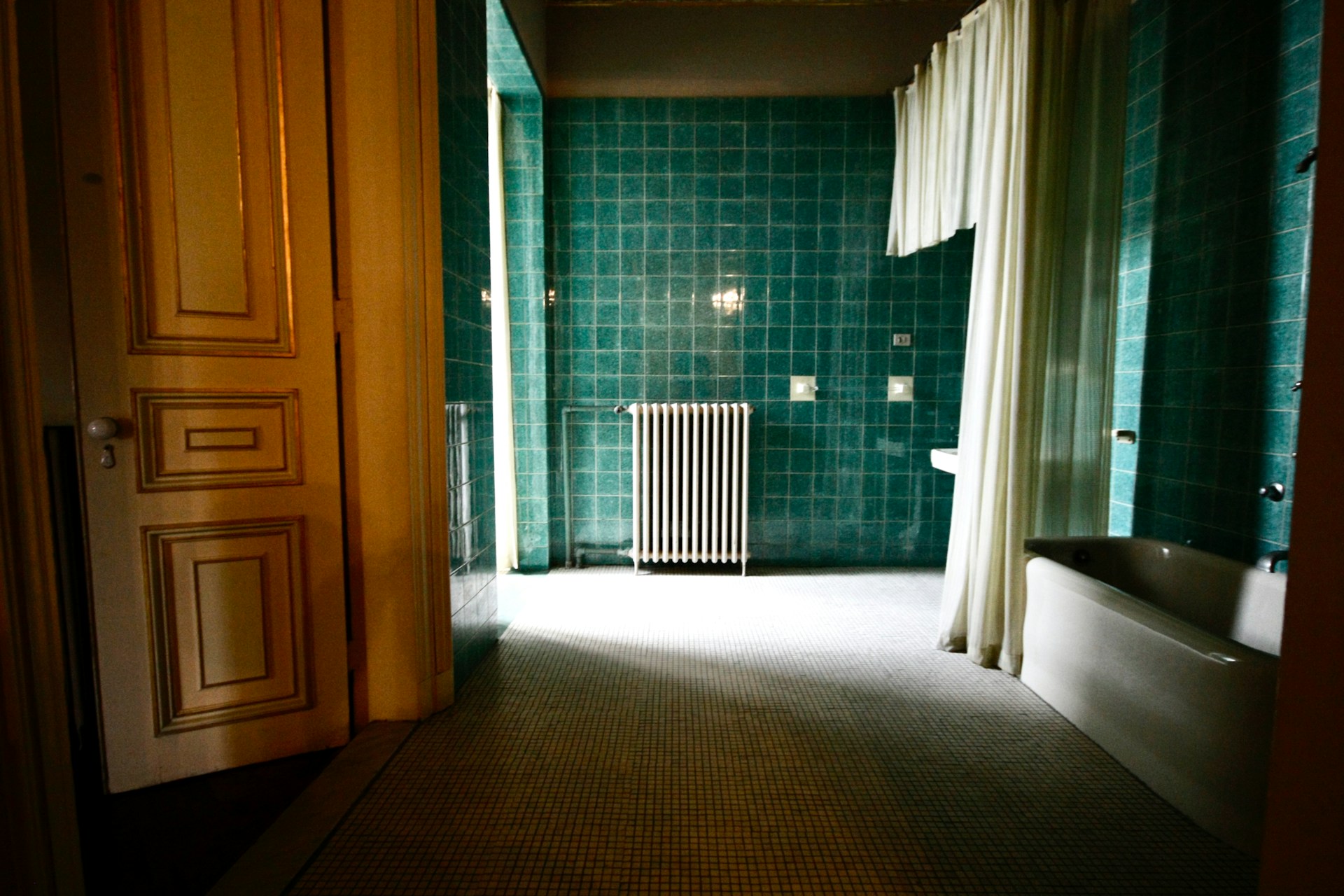

Radiators are no longer just functional heating units tucked away out of sight. Today, they are an integral part of interior design, with a wide range of colors and finishes available to suit different spaces and styles. Whether you are aiming for a subtle, understated look or a bold design statement, the finish of your radiator plays a key role in both aesthetics and durability.
If you are exploring options from manufacturers like Stelrad, it helps to understand how these finishes are applied and how well they stand up to daily use. Not all finishes are created equal, and choosing the right one can make a noticeable difference in longevity, maintenance, and overall appearance.
How Radiator Colours and Finishes Are Applied
The process of applying colour and finish to a radiator is more technical than it might first appear. Modern manufacturing techniques are designed to ensure that coatings are both visually appealing and resistant to wear.
Powder Coating
Powder coating is one of the most widely used methods for radiator finishes. It involves applying a dry powder to the radiator surface, which is then cured under heat to create a smooth, durable coating.
This method offers several advantages:
- Even coverage with no drips or streaks
- Strong adhesion to metal surfaces
- Resistance to chipping and scratching
- A wide range of colour options
Because the coating is baked on, it forms a hard layer that is less prone to peeling compared to traditional paint.
Wet Spray Painting
Wet spray painting is another technique, often used for more customised or decorative finishes. Liquid paint is sprayed onto the radiator and then dried, either naturally or in a controlled environment.
While this method allows for greater flexibility in colour matching and special effects, it may not always be as durable as powder coating. It can be more susceptible to chips and wear over time, particularly in high-traffic areas.
Electrostatic Painting
Electrostatic painting is a more advanced variation of spray painting. The paint particles are electrically charged, which helps them adhere evenly to the radiator surface.
This technique improves coverage and reduces waste, while also enhancing the durability of the finish. It is often used in combination with powder coating processes for added strength.
Types of Radiator Finishes
Beyond colour, the type of finish you choose can significantly influence both appearance and performance.
Gloss Finish
Gloss finishes are smooth, reflective, and easy to clean. They are a popular choice for modern interiors and kitchens, where practicality is essential.
However, their reflective nature means they can highlight fingerprints, dust, and minor imperfections more easily than other finishes.
Matt Finish
Matt finishes provide a softer, more understated look. They are ideal for contemporary and minimalist spaces, as they reduce glare and create a more subtle presence.
While visually appealing, matt finishes can sometimes be slightly harder to clean, as they do not repel dirt as effectively as gloss surfaces.
Satin Finish
Satin sits somewhere between gloss and matt. It offers a gentle sheen without being overly reflective, making it a versatile option for most rooms.
This finish strikes a good balance between appearance and maintenance, which is why it is commonly used in many radiator designs.
Textured and Special Finishes
Some radiators feature textured coatings or metallic finishes such as anthracite, brushed steel, or even patterned designs. These are typically applied using specialised techniques and can add a distinctive character to a room.
They may require more careful maintenance but often hide minor marks and scratches better than smooth finishes.
Which Radiator Finishes Last the Longest?
Durability depends on both the application method and the type of finish. However, some general patterns are worth noting.
Powder-Coated Finishes
Powder-coated radiators tend to be the most durable. The heat-cured coating forms a tough outer layer that resists:
- Scratches from everyday use
- Fading caused by heat exposure
- Chipping over time
For most households, this is the best option for long-term performance.
High-Quality Satin Finishes
Satin finishes, especially when powder-coated, offer excellent longevity. They are less likely to show wear compared to gloss finishes and are easier to maintain than matt surfaces.
Gloss Finishes
Gloss finishes can last well if properly maintained, but they are more prone to visible wear. Over time, repeated cleaning and minor impacts may reduce their shine.
Matt Finishes
Matt finishes are stylish but may show marks more easily. Their longevity depends heavily on the quality of the coating and how carefully they are maintained.
Factors That Affect Longevity
Even the best finish can deteriorate if exposed to harsh conditions. Several factors influence how long a radiator’s finish will last:
- Location: Radiators in kitchens or hallways are exposed to more dirt, grease, and physical contact
- Cleaning habits: Using abrasive cleaners can damage the coating
- Humidity levels: Bathrooms can accelerate wear if finishes are not properly sealed
- Quality of manufacture: Trusted brands like Stelrad tend to use more robust finishing processes
Taking these factors into account can help you choose a finish that suits both your environment and lifestyle.
Maintenance Tips for Long-Lasting Finishes
To keep your radiator looking its best for years, simple care goes a long way.
- Clean regularly with a soft cloth and mild detergent
- Avoid abrasive sponges or harsh chemicals
- Dry the surface after cleaning to prevent water marks
- Check for chips or damage and address them early
- Keep surrounding areas free from excess moisture
Consistent maintenance helps preserve both the colour and protective coating.
Choosing the Right Finish for Your Space
When selecting a radiator finish, it is important to balance style with practicality. A bold gloss radiator might suit a modern kitchen, while a matt or satin finish may work better in a bedroom or living area.
Think about how often the radiator will be touched, how easy it needs to be to clean, and how it fits into your overall design scheme. Subtle choices often age better, while statement finishes can create a striking focal point when used thoughtfully.
Conclusion
Radiator colours and finishes are more than just a design detail—they directly affect durability, maintenance, and long-term performance. Understanding how these finishes are applied, from powder coating to electrostatic painting, helps you make a more informed choice.
In most cases, powder-coated finishes offer the best balance of strength and appearance, particularly when paired with versatile options like satin. While gloss and matt finishes each have their place, their longevity depends on careful use and maintenance.
By choosing a high-quality product and taking a thoughtful approach to care, your radiator can remain both functional and visually appealing for many years to come.