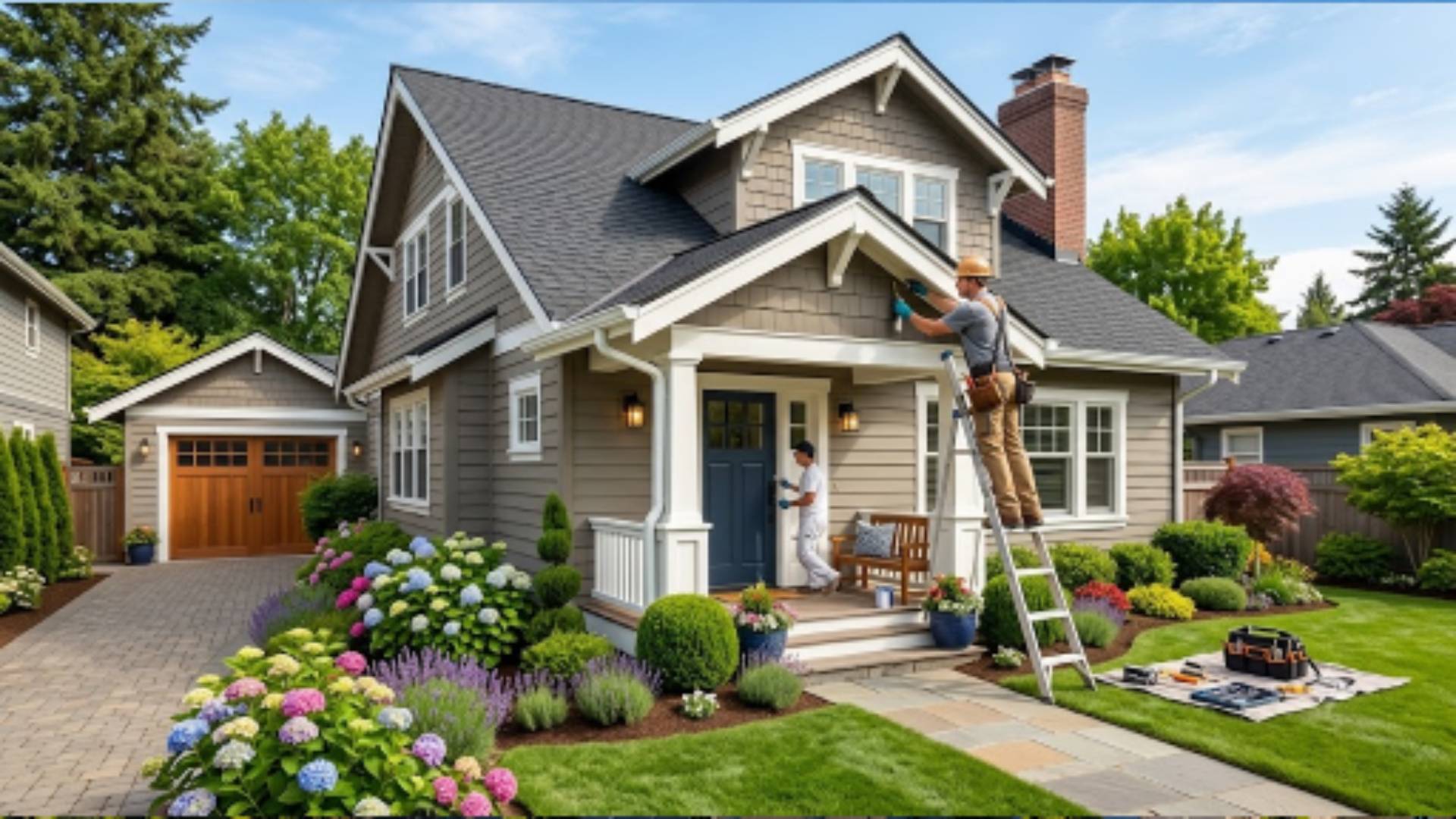

Your home’s exterior creates the first impression visitors see, but it does much more than boost curb appeal. Every fence, deck, pathway, and piece of trim works together to protect your property from weather, moisture, and everyday wear.
Small outdoor repairs often prevent much larger and more expensive problems later. A loose railing, cracked step, or damaged section of siding may seem minor today, but ignoring it can lead to safety hazards or structural damage over time.
This guide explains the most important outdoor home repairs, how to identify issues early, and practical ways to keep your property looking attractive and performing at its best throughout the year.
Why Outdoor Repairs Matter
Exterior surfaces are constantly exposed to rain, sunlight, wind, freezing temperatures, and changing seasons. Even high-quality materials eventually show signs of wear.
Routine outdoor maintenance helps you:
- Extend the life of exterior features
- Prevent water damage
- Improve home safety
- Increase property value
- Enhance curb appeal
- Reduce long-term repair costs
A few hours of seasonal maintenance can save hundreds—or even thousands—of dollars in future repairs.
Repairing Fences Before Small Problems Spread
Fences define property boundaries while providing privacy and security. Because they face constant exposure to weather, they need regular attention.
Common fence problems include:
- Loose posts
- Leaning sections
- Broken boards
- Rusty hardware
- Peeling paint or stain
- Rotting wood
Start by checking every post for movement. A loose post often needs fresh concrete or additional support.
Replace damaged boards promptly instead of waiting for larger sections to fail. If your fence is wooden, sand rough areas before repainting or applying a protective stain.
Metal fences benefit from rust removal followed by rust-resistant primer and paint.
Keep Gates Opening and Closing Smoothly
A sticking or sagging gate is usually an easy repair.
Inspect:
- Hinges
- Screws
- Latches
- Gate posts
- Alignment
Tighten loose hardware first. Lubricate hinges if movement feels stiff.
If the gate sags, replacing worn hinges or adding a support cable often restores proper alignment.
Don’t ignore gate problems for too long. A heavy gate can place additional strain on posts and eventually damage the surrounding fence.
Restore Decks Before Damage Becomes Dangerous
Decks experience heavy foot traffic along with constant exposure to moisture and sunlight.
Look for:
- Loose boards
- Raised nails
- Cracked decking
- Rotting wood
- Wobbly railings
- Water damage
Walk across the deck carefully and listen for movement or squeaking.
Replace damaged boards immediately. Tighten fasteners and reinforce loose railings before they become safety hazards.
Cleaning the deck every year removes dirt, algae, and mildew that slowly weaken wood surfaces.
After cleaning, apply a quality stain or water-resistant sealer to protect the wood from future damage.
Repair Railings for Better Safety
Outdoor railings should always feel solid.
Inspect every railing by applying gentle pressure.
Pay close attention to:
- Stair railings
- Deck railings
- Porch railings
- Balcony railings
Loose fasteners often solve minor movement.
However, if the posts themselves have rotted or shifted, replacing the affected sections is usually the safest solution.
Strong railings improve both appearance and household safety.
Fix Cracked Walkways and Pathways
Walkways are exposed to constant temperature changes and regular foot traffic.
Small cracks can quickly grow larger if water enters and freezes.
Common repairs include:
- Filling concrete cracks
- Replacing loose pavers
- Levelling uneven stones
- Repairing broken edging
- Removing weeds from joints
Uneven pathways also create trip hazards, making timely repairs especially important.
Repair Outdoor Steps Before They Become Unsafe
Exterior steps should remain level, stable, and slip-resistant.
Check for:
- Cracked concrete
- Loose bricks
- Worn timber
- Missing mortar
- Movement underfoot
Repairing damaged steps early helps prevent accidents while protecting nearby structures from water infiltration.
Consider adding anti-slip strips if the surface becomes slippery during rain or winter weather.
Repair Exterior Trim Before Moisture Gets Inside
Exterior trim seals the edges around windows, doors, and rooflines.
Because trim absorbs significant weather exposure, inspect it carefully for:
- Cracks
- Peeling paint
- Soft wood
- Gaps
- Rot
Damaged trim allows moisture to reach the structure behind it.
Replace rotted sections, seal small gaps with exterior-grade caulk, and repaint exposed surfaces to create a protective barrier.
Repair Minor Siding Damage Early
Your siding protects the home’s structure from rain, wind, insects, and temperature changes.
Inspect siding regularly for:
- Cracks
- Holes
- Loose panels
- Warping
- Moisture stains
- Impact damage
Small repairs often involve replacing a single panel or sealing minor gaps.
If moisture has entered behind the siding, investigate the source before making cosmetic repairs.
Ignoring damaged siding can eventually lead to mould, insulation problems, and structural decay.
Protect Exterior Surfaces from Weather
Weather protection is one of the most cost-effective home maintenance investments.
Consider these simple upgrades:
- Repaint exposed wood when finishes begin to fade.
- Reapply deck sealers every few years.
- Replace cracked exterior caulk.
- Clean gutters to prevent overflow.
- Remove debris from around foundations.
- Trim vegetation touching the house.
These preventive measures reduce water damage while extending the lifespan of exterior materials.
Seasonal Outdoor Inspection Checklist
Regular inspections make repairs easier and less expensive.
Spring
- Inspect winter damage
- Clean decks and patios
- Repair cracked pathways
- Check fences for movement
- Wash siding
Summer
- Paint exterior trim
- Seal decks
- Repair gates
- Inspect outdoor lighting
- Replace damaged boards
Autumn
- Clear leaves
- Clean gutters
- Check roof drainage
- Seal exterior gaps
- Inspect railings
Winter
- Remove snow carefully
- Watch for ice damage
- Check steps for hazards
- Monitor exterior moisture
- Address emergency repairs promptly
Cost-Effective Improvements That Boost Curb Appeal
Not every improvement requires a major renovation.
Simple upgrades can transform your home’s appearance.
Popular improvements include:
- Fresh exterior paint
- New house numbers
- Updated mailbox
- Clean pathways
- Repaired fencing
- Pressure-washed driveways
- Fresh mulch in garden beds
- Repaired porch steps
- Well-maintained landscaping
- Clean exterior lighting
When everything looks clean and properly maintained, your property appears newer and more valuable.
When to Repair and When to Replace
Repairs are usually the better choice when:
- Damage is isolated.
- Materials remain structurally sound.
- Repairs cost significantly less than replacement.
- Appearance can be fully restored.
Replacement becomes more practical when:
- Rot is widespread.
- Structural safety is compromised.
- Multiple repairs keep recurring.
- Materials have reached the end of their service life.
A careful inspection helps determine which option offers the best long-term value.
Tips for Successful Outdoor Repairs
A few good habits improve repair results.
- Inspect your property every season.
- Address small issues quickly.
- Use materials designed for outdoor use.
- Follow manufacturer instructions.
- Keep exterior surfaces clean.
- Wear proper safety equipment.
- Don’t ignore water damage.
Preventive maintenance almost always costs less than emergency repairs.
Frequently Asked Questions
How often should I inspect my home’s exterior?
A full inspection twice a year is recommended, with additional checks after severe storms, heavy snowfall, or high winds.
What outdoor repairs should I prioritise first?
Focus on repairs that affect safety or allow water intrusion, such as damaged railings, loose steps, cracked siding, leaking trim, or unstable fencing.
Can I repair damaged siding myself?
Minor cracks or replacing a single panel may be suitable for experienced DIY homeowners. Extensive damage or moisture behind the siding usually requires professional assessment.
How long does deck sealing last?
Most deck sealers last between two and four years, depending on weather exposure, product quality, and foot traffic.
Conclusion
Outdoor home repairs are about much more than keeping your property attractive. They protect your investment, improve safety, and prevent small issues from becoming expensive structural problems. Regular inspections, prompt repairs, and seasonal maintenance keep fences, decks, siding, pathways, and exterior trim in excellent condition for years to come. By addressing wear early and investing in simple preventive care, you can enjoy a safer home, stronger weather protection, and lasting curb appeal without the cost of major renovations.