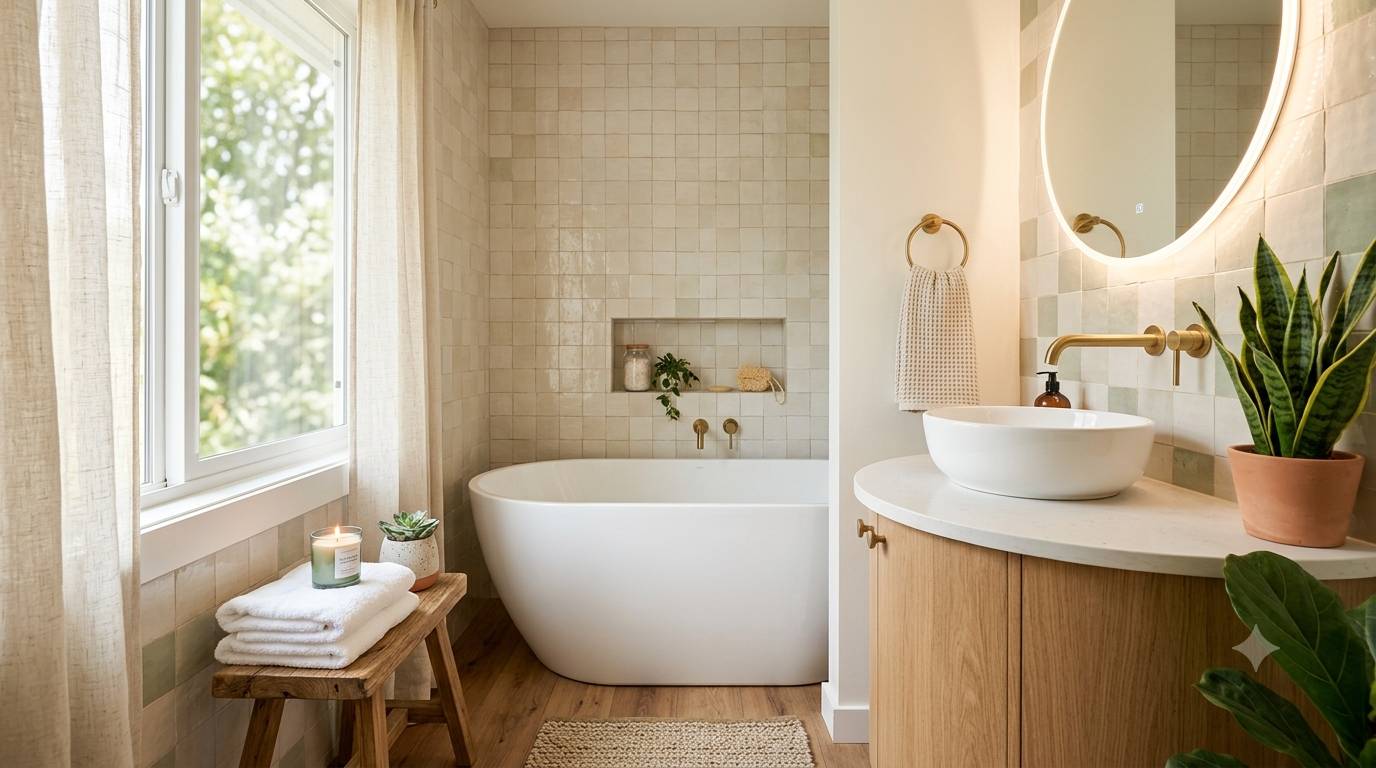

A small bathroom doesn’t have to feel cramped, plain or purely practical. With the right choices, even a compact space can become a comfortable retreat that feels calm, stylish and easy to use. The key is to make every part of the room work harder, while keeping the overall design light and uncluttered.
Whether you’re choosing tiles, sanitaryware or finishing touches, visiting a Bathroom Installation can help you compare different options before making decisions. Seeing materials and finishes in person can also make it easier to understand how they might work together in a smaller room.
Start With a Layout That Makes Sense
In a small bathroom, layout matters just as much as appearance. Moving even one fitting can change how spacious the room feels and how easily you can move around it.
Before choosing individual products, consider where the door opens, the position of the window and how much clearance you need around each fitting. A compact wall-mounted basin, for example, can leave more visible floor area, while a shower enclosure may be more practical than a large bath where space is particularly limited.
Try to avoid filling every available corner. Leaving some breathing room can make the bathroom feel considerably larger.
Choose Tiles That Open Up the Space
Tiles cover a significant amount of a bathroom’s surface area, so they can have a major influence on how the room feels. Light shades can help reflect natural and artificial light, while larger tiles can create a more continuous appearance across walls and floors.
That doesn’t mean a small bathroom has to be completely white. Soft beige, pale grey, muted green and other understated shades can add warmth without overwhelming the room.
For a more distinctive look, consider using a patterned tile on one wall while keeping the remaining surfaces relatively simple. This creates a focal point without making every wall compete for attention.
Make Storage Part of the Design
One of the easiest ways for a small bathroom to feel chaotic is to leave everyday products scattered across surfaces. Good storage can solve this while also contributing to the overall appearance of the room.
Consider options such as:
- Wall-mounted cabinets: These keep toiletries organised while using vertical space that might otherwise be overlooked. A mirrored version can also combine storage with a useful bathroom feature.
- Vanity units: A basin with built-in storage provides a practical place for cleaning products, spare toiletries and other essentials without taking up additional floor space.
- Recessed shelving: Where the layout allows, recessed shelves can create useful storage within the wall itself, keeping bottles close at hand without making the room feel crowded.
- Open shelving: A small shelf can provide an attractive place for neatly folded towels, baskets or a few decorative pieces, although it works best when kept relatively uncluttered.
The aim isn’t to add as much storage as possible. Instead, think about what you actually need to keep in the room and give those items a sensible home.
Use Mirrors to Create More Depth
A well-positioned mirror can make a compact bathroom feel brighter and more open. A large mirror above the basin can reflect light and create the impression of greater depth.
Mirrored cabinets are particularly useful because they combine this visual effect with concealed storage. If the room receives limited natural light, positioning the mirror where it can reflect available daylight can also help brighten the space.
Avoid filling the walls with too many reflective surfaces, though. One well-chosen mirror can often have more impact than several smaller ones.
Layer the Lighting
Lighting can completely change the atmosphere of a small bathroom. Bright, functional lighting is essential around areas such as the basin, but the room can feel much more relaxing when different levels of illumination are considered.
Good bathroom lighting can include:
- Task lighting: Position suitable lighting around the mirror and basin so everyday activities can be carried out comfortably without relying on one central fitting.
- General lighting: A well-placed ceiling light provides practical illumination throughout the room and helps prevent darker corners.
- Ambient lighting: Softer sources can give the bathroom a calmer feel, particularly when you’re using it in the evening and don’t need strong illumination everywhere.
The fittings themselves can also become part of the design. Simple, well-proportioned fixtures can add character without taking attention away from the room’s main features.
Bring In Natural Texture
A retreat should feel welcoming rather than overly clinical. Natural textures can help soften a bathroom and make it feel more connected to the rest of the home.
Wood-effect finishes, woven baskets, cotton towels and simple accessories can introduce warmth. A small plant that is suitable for humid conditions can also add a touch of greenery.
The trick is restraint. A few carefully chosen textures will usually have a stronger effect than filling every surface with accessories.
Make the Shower a Feature
If a bath isn’t practical, a well-designed shower can become the centrepiece of the room. Frameless or minimally framed glass can help maintain clear sightlines, making the shower area feel less visually bulky.
A recessed shelf within the shower can provide space for toiletries without adding another storage unit. Coordinating the shower fittings with other hardware, such as basin taps and cabinet handles, can also create a more unified appearance.
Keep the Colour Scheme Consistent
A limited colour palette can make a small bathroom feel more cohesive. Choose one main shade, then introduce one or two complementary tones through tiles, furniture, textiles and accessories.
This doesn’t mean everything needs to match exactly. Different textures and subtle variations in tone can add depth while keeping the overall appearance calm.
Create a Space You’ll Enjoy Using
Turning a small bathroom into a retreat isn’t about squeezing expensive features into a limited area. It’s about making thoughtful decisions that improve both the appearance and everyday usability of the room.
A sensible layout, clever storage, carefully chosen tiles, good lighting and a restrained approach to decoration can make a noticeable difference. When every element has a purpose and the design feels cohesive, even a modest bathroom can become a comfortable space to start and end the day.