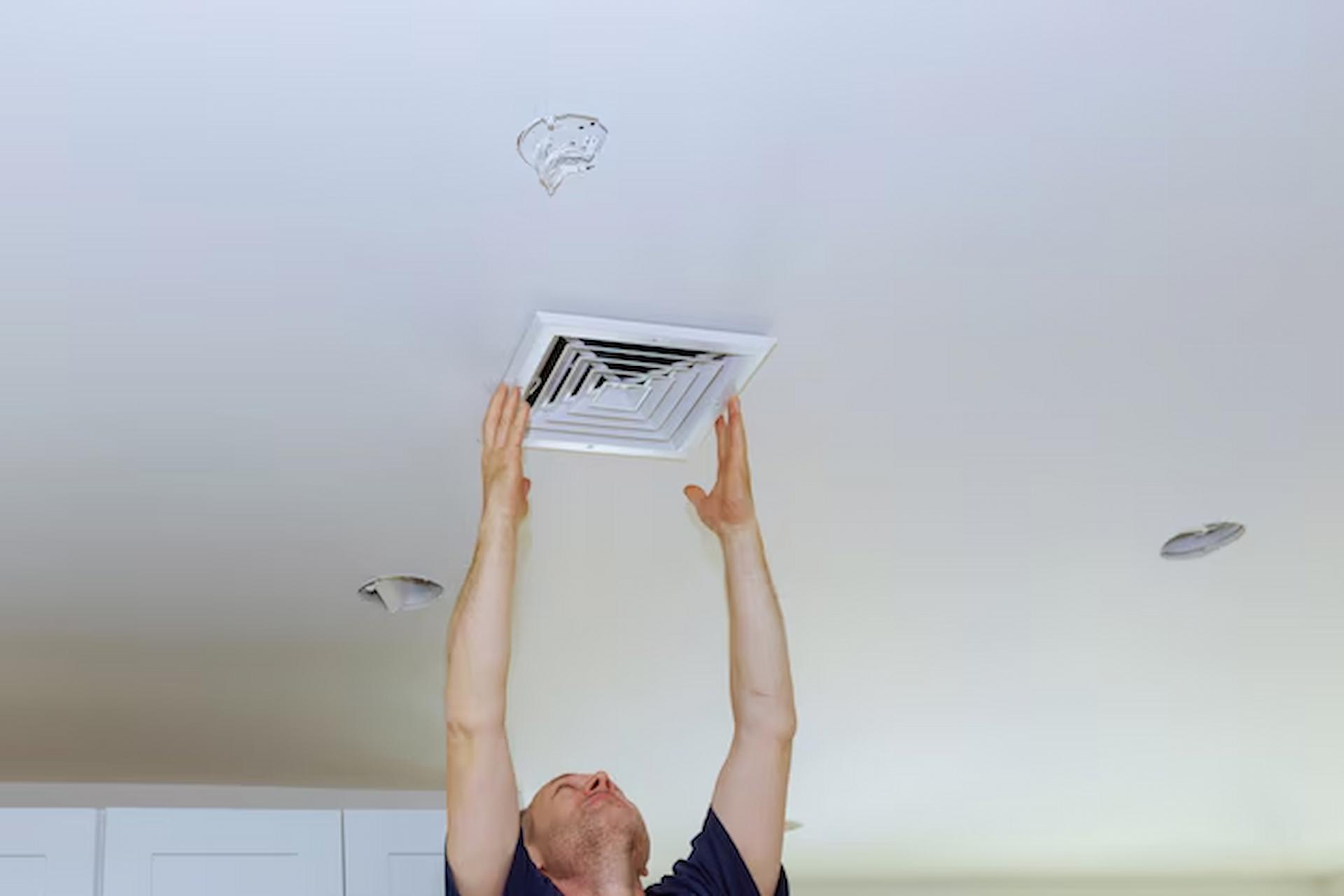

Waking up to a stuffy nose or endless sneezing? Your home’s air ducts might hold the culprits. Dust, mould, and pet hairs build up inside, stirring allergies year-round. Duct cleaning reduces allergens in the air, transforming stuffy spaces into breathable havens. Drawing from years reviewing HVAC reports and British Allergy Foundation studies, I share proven steps here. Let’s clear the air, starting today.
Dust Mites: Tiny Terrors in Your Ducts
Dust mites thrive in warm, humid ducts, feeding on skin flakes trapped there. They trigger asthma attacks and watery eyes. Over time, fans push their waste into every room. Regular cleaning flushes them out, cutting symptoms fast. Moreover, fresh ducts mean less need for strong allergy medicines.
Pet Dander: Fluffy Friends’ Hidden Gift
Pet owners know the joy of furry companions, but dander lingers in ducts long after vacuuming. These proteins spark rashes and wheezing, especially in kids. Airflow spreads them silently. Professional sweeps remove layers of buildup. As a result, your home feels pet-friendly without the itch.
Mould Spores: Dampness Unleashed
Leaky ducts breed mould in dark, moist corners. Spores float out, irritating lungs and sinuses. Wet weather worsens it in the UK. Drying and cleaning halt growth at the source. Healthier air follows, with fewer winter coughs.
Pollen Trapped from Outside
Summer pollen storms infiltrate through vents, sticking to duct walls. It reignites hay fever indoors. Duct cleaning reduces allergens in the air, trapping less from open windows too. Clean systems filter better, easing seasonal woes. Families notice calmer nights right away.
Bacteria and Viruses: Germ Hotspots
Ducts hoard germs from coughs or dirty filters, cycling them endlessly. This fuels colds and flu spikes. Hygiene-focused maintenance kills them off. Fresh seals prevent re-entry. Breathing stays easier, especially for vulnerable household members.
How Duct Buildup Worsens Allergies
Neglected ducts act like sieves, pumping irritants non-stop. Studies from the Health and Safety Executive show poor ventilation doubles allergy risks. Fans stir settled dust hourly. In contrast, maintained systems cycle clean air. Energy bills drop too, as clogs force harder work.
Signs Your Ducts Need Attention
Spot black streaks near vents? Or a musty smell when heating kicks in? These signal trouble. Frequent allergies despite cleaning elsewhere point to ducts. Noisy airflow or uneven room temperatures confirm buildup. Act on these cues before symptoms worsen.
Step-by-Step Maintenance Guide
Start with filter swaps every three months—cheap wins trap most debris. Seal gaps with foil tape to block intruders. For deep cleans, hire NADCA-certified pros yearly. They use vacuums and brushes safely. Follow up by controlling home humidity below 50 per cent. Simple habits sustain results.
Choosing the Right Cleaning Service
Vet firms with British Institute of Cleaning Science membership. Ask for before-and-after photos. Avoid scams promising miracles without inspection. Reputable teams explain findings clearly. Invest once, breathe easy always.
FAQ
How often do ducts need cleaning?
Most homes benefit from annual cleans, or every two years if filters stay fresh. High-pet or allergy homes go yearly.
Can I clean ducts myself?
DIY works for filters and vents, but pros handle full systems safely with proper tools. Skip it for best results.
Does duct cleaning help asthma?
Yes, it cuts triggers like mould and dander, per Allergy UK trials. Pair with medical advice for full control.
Conclusion
Proper duct maintenance delivers lasting relief from indoor allergens, boosting health and comfort. Backed by Allergy UK insights, these steps cut triggers like dander and mould effectively. Book a professional clean today—your fresher, sneeze-free home awaits. Small effort yields big rewards.