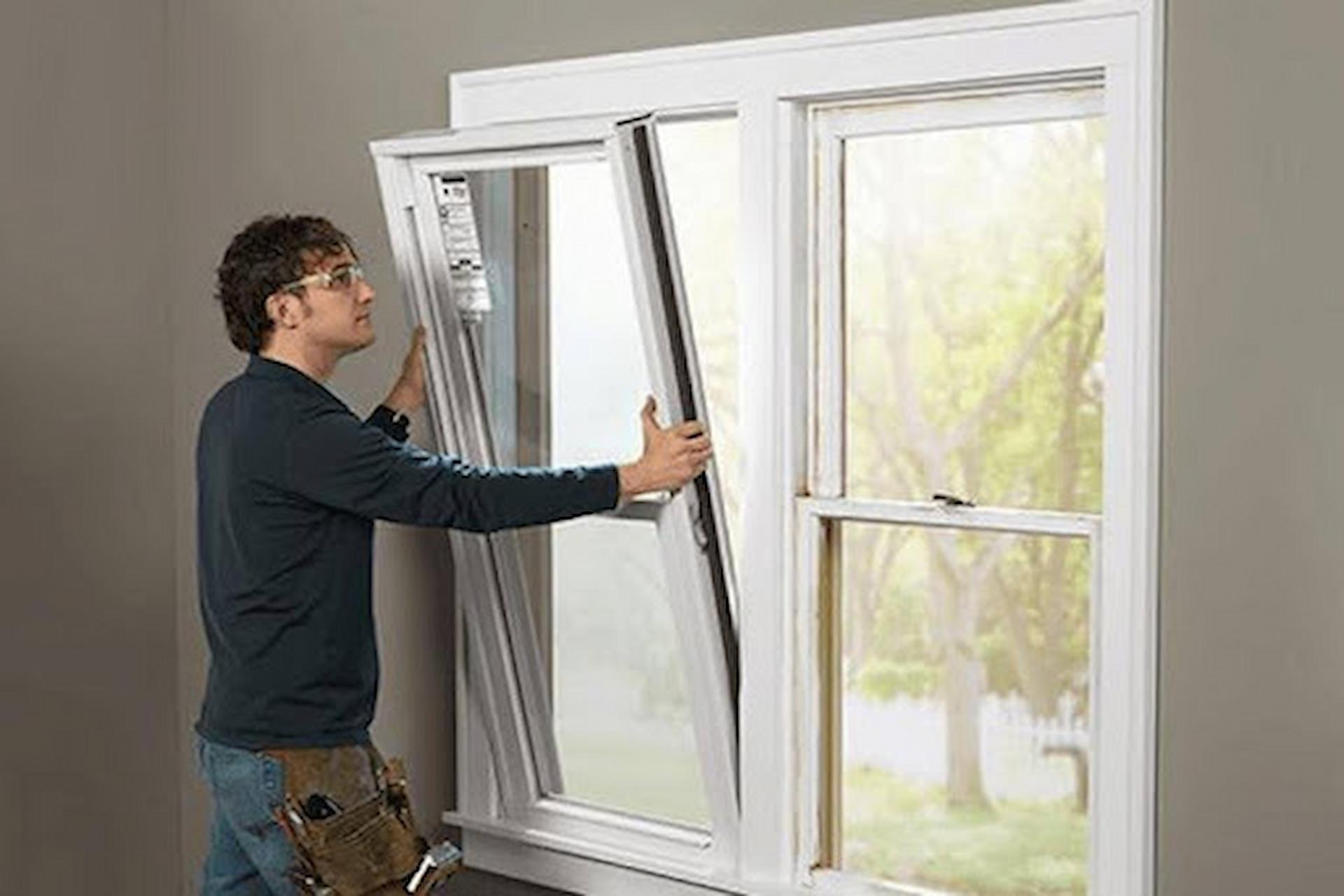

Window replacement is often quicker than homeowners expect. Simple swaps can take just a few hours, while larger projects depend on frame condition, glazing type, structural adjustments, and site access. Knowing these factors helps plan around disruption and decide whether a full replacement or a targeted solution, like misted double glazing replacement, is the most efficient choice.
Window replacement is a common upgrade, yet timing is often misunderstood. Many assume days of disruption, when most projects follow a structured and efficient process. Understanding how long each stage takes—especially when misted double glazing replacement services are involved—helps set realistic expectations and avoid unnecessary concern.
What Determines Window Replacement Time
The overall duration of window replacement depends on several practical factors. These influence how smoothly work progresses and whether installation stays within a single day or extends longer.
-
Window Type and Construction
Standard window styles are quicker to install than bespoke or oversized units. Heavier glazing, reinforced frames, or specialist coatings require more handling time and precision.
-
Number of Windows Being Replaced
Replacing one window is usually completed within hours. Larger projects are scheduled systematically, allowing multiple windows to be installed in a single day without compromising quality.
Survey and Measurement Stage
The survey and measurement stage sets the groundwork for a smooth and efficient installation by ensuring every window is specified correctly before work begins. During this phase, a technical survey confirms precise measurements, checks the condition of existing frames, and reviews fixing points while also verifying compliance with building standards and glazing performance requirements. Once specifications are approved, windows are manufactured to order, with lead times varying depending on material choice and glazing type, a process that often takes longer than the on-site installation itself.
Installation Day: What Actually Happens
Installation day follows a carefully planned process designed to minimise exposure and disruption. Skilled teams work through a consistent sequence that keeps the job efficient and controlled, removing existing frames and glazing with care to protect surrounding walls and leaving openings exposed only briefly to maintain security and comfort. New units are then positioned, secured, insulated, and sealed to ensure long-term performance, with proper sealing playing a key role in preventing condensation issues that can later require misted double glazing replacement services.
How Long Does Each Window Take?
Understanding per-window timing helps homeowners visualise the day’s progress. It also clarifies why installations often finish sooner than expected.
On average, a straightforward replacement takes 60 to 90 minutes per window, depending on access, frame condition, and finishing requirements.
Mid-Project Delays to Be Aware Of
While uncommon, certain conditions can extend installation slightly. Identifying these early prevents long-term issues and repeat visits.
- Hidden frame deterioration
- Structural adjustments in older properties
- Weather affecting external sealing work
Addressing these during installation protects performance and durability.
Actionable Tips to Keep Installation on Schedule
Preparation plays a major role in how smoothly replacement work runs. Simple steps taken in advance can prevent avoidable delays.
- Clear access around windows before installation
- Confirm specifications early in the process
- Discuss access and parking requirements
- Ask about targeted glazing replacement where frames remain sound
- Plan ventilation if multiple windows are replaced at once
When Replacement Is Faster Than Expected
Not all window issues require full replacement. In many cases, glazing failure can be resolved without changing frames.
Targeted misted double glazing replacement services often restore clarity and insulation more quickly than full window replacement, reducing disruption and installation time.
Conclusion
Window replacement is typically a structured and time-efficient process. Most installations progress smoothly when surveys, measurements, and access are properly managed. Understanding how factors such as window type, quantity, and preparation affect timelines allows homeowners to plan with confidence. Whether opting for full replacement or misted double glazing replacement services, informed choices help ensure faster completion and long-term performance.